A Test Case refers to a series of actions conducted to validate a particular feature or functionality during the process of software testing. It entails a comprehensive description of the necessary steps, data, prerequisites, and postconditions required to verify the feature. Test Cases serve as a guide to determine whether the feature is functioning correctly or not.

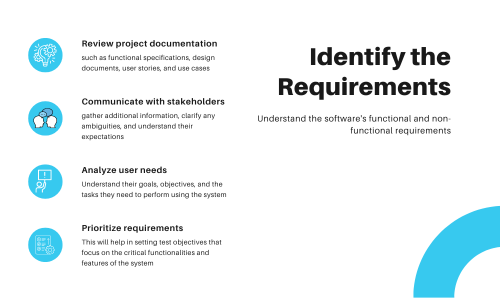
Understand the software’s functional and non-functional requirements. This will help you align your Test Cases with the desired functionality.
Test objectives are specific goals or targets that define what needs to be achieved during the testing process. They provide direction and focus to the testing efforts and help in evaluating the success of the testing activity.

To define test objectives, follow these points:
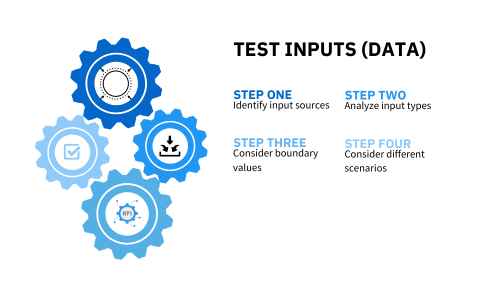
Defining test inputs is an important step in the testing process, as it helps determine what data or values need to be provided to the system or software being tested.

Here are the points you need to follow to define test inputs/data:
Creating Test Cases involves identifying specific situations or conditions that need to be tested to ensure the software or system functions correctly.
A Test Case should have a unique Test Case ID and Headline. Try and ensure your Test Case headline is as descriptive as possible. A recommended approach is to use a concise name (such as a phrase) for better readability. For instance, an example could be “Invalid Credential Login.”
A sample Test Case format should consist of the following:

Here some key points follow:
These are the set of conditions or requirements that must be met before a Test Case can be executed. They ensure that the software system is in a specific state or configuration that is necessary for the Test Case to run successfully. Preconditions help establish a consistent starting point for the test and ensure reliable and accurate results.

Examples of preconditions include:
Outline the steps needed to execute each Test Case. Be thorough and include all necessary instructions. These should be easily repeatable steps performed from the end user’s perspective.
This could be managed in a test management tool, a spreadsheet, or a document.

Follow these points:
Requirements traceability in testing involves establishing and maintaining a clear link between requirements (stories) and the tests that verify them.

Follow the process below to best achieve effective requirements traceability in testing:
Organize your Test Cases in a clear and structured manner.
Use Test Case Management Tools to store and track the execution status of each test case.

Here are some tips to help you with this: